China has ascended to the pinnacle of the global supercomputer rankings with its newly introduced LineShine system, reclaiming the top position after several years. This achievement underscores China’s strides in advancing its domestic computing technology. However, experts caution that this does not inherently signify a surpassing of the United States in the realm of artificial intelligence capabilities.
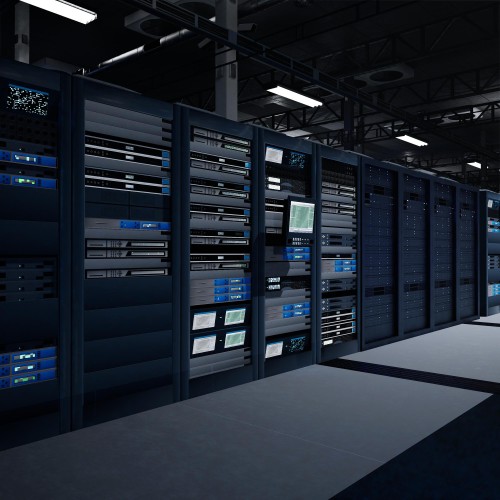
Housed at the National Supercomputing Centre in Shenzhen, the LineShine supercomputer incorporates chips developed within China, outpacing the previous leader from the United States. Despite this, analysts emphasize that conventional supercomputer rankings do not fully encapsulate performance metrics relevant to contemporary AI workloads. The ranking framework primarily assesses systems designed for scientific computing, whereas many of the globe’s most formidable AI systems are crafted by major technology corporations and do not feature in these evaluations.
Experts highlight that the forefront of advanced AI computing is heavily reliant on specialized chips and expansive data center infrastructures. While China’s return to the summit of the supercomputer rankings signals its ambition to bolster self-sufficiency in chip design and computing technology, the nation continues to face challenges due to restrictions on access to cutting-edge AI chips, which impede its AI development efforts.
The rivalry between China and the United States in the sphere of advanced computing is intensifying, with both nations investing substantially in artificial intelligence, quantum technology, and next-generation computing systems. As the competition heats up, China’s recent achievement is seen as part of a broader strategy to enhance its technological autonomy and innovation capabilities.