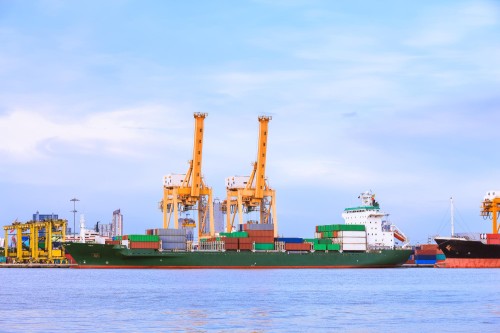
Europe is grappling with a new wave of economic disruption linked to China, a situation reminiscent of the “China shock” that rocked the United States 25 years ago. This term, coined in the late 1990s, describes the upheaval caused by China’s emergence on the global trade scene after joining the World Trade Organization. At that time, the influx of Chinese imports led to the displacement of local industries and the loss of millions of jobs in the U.S. Now, European trade specialists and industry representatives warn that the continent could face a similar fate as local factories confront increasing pressure from Chinese imports.
Jens Eskelund, who leads the European Chamber of Commerce in Beijing, highlights a growing dependence on Chinese components rather than just finished goods like electric vehicles. This trend poses significant challenges for the European Union, as these components integrate deeply into the industrial fabric of EU countries. In response, the EU is contemplating measures that could mandate companies to source crucial components from multiple suppliers, aiming to mitigate this dependency. Such discussions are urgent, with European commissioners scheduled for talks on May 29 to address the escalating issue.
Compounding the situation is the undervaluation of the yuan against the euro, estimated to be around 40% over the past five years. This currency imbalance makes Chinese products significantly cheaper, a point underscored by Oliver Richtberg, a leading figure in European machinery trade. The competitive pricing, often supported by Chinese state subsidies, leaves European procurement managers with limited alternatives, as they opt for more cost-effective Chinese supplies. This economic pressure has already led to substantial job losses, with Germany’s machinery industry alone shedding 22,000 positions last year.
Further illustrating the issue, data from the trade analysis site Soapbox reveals a heavy reliance on Chinese imports for specific sectors. For instance, the EU imports the majority of its amino acids and polyhydric alcohols from China, with the latter seeing a staggering 96% of imports by volume. Such reliance raises concerns about the long-term viability of Europe’s production capabilities, as local industries struggle to compete with low-priced Chinese goods. Despite efforts like the upcoming Industrial Accelerator Act and updates to the Cyber Security Act, these measures won’t take effect until 2027, leaving Brussels in search of immediate solutions.
China’s growing trade surplus with the EU, particularly with Germany, underscores the urgency of the situation. In recent years, China’s trade relationship with Germany has shifted dramatically, with imports from China increasing significantly. This has led to a notable decline in industrial jobs across Germany, particularly in the automotive sector. Experts like Andrew Small of the European Council on Foreign Relations emphasize the need for more effective tools to address the trade imbalance. As the EU navigates its response, it must also consider China’s potential countermeasures, highlighting the complex geopolitical dimensions of the issue.