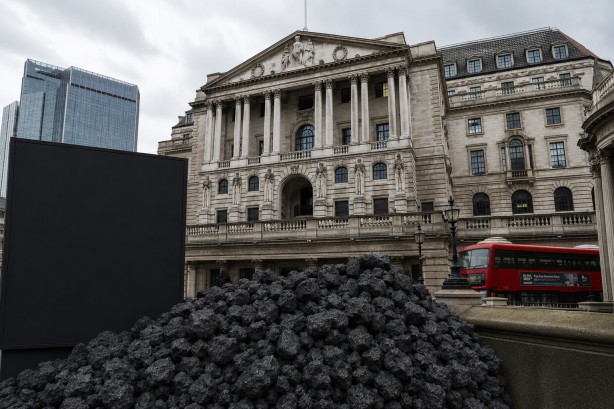
In a decisive move to address the financial risks associated with climate change, the Bank of England has declared that, starting in October, it will cease accepting bonds tied to companies involved in thermal coal as collateral for its lending activities. This initiative is part of the central bank’s broader strategy to mitigate exposure to climate-related risks within the financial system.
Traditionally, commercial banks, including some of the largest lenders, rely on bonds as collateral when they borrow funds from the Bank of England to facilitate daily operations and complete transactions. However, under the new directive, bonds associated with thermal coal—a fossil fuel primarily used in electricity generation—will no longer qualify for this purpose.
According to the Bank of England, enterprises engaged in thermal coal are increasingly vulnerable to financial risks as the global push towards cleaner energy sources and net-zero emissions intensifies. This transition could result in a decline in the value of coal-dependent assets over time. To further safeguard its financial stability, the bank has also opted to apply discounts to bonds from other sectors that are susceptible to climate risks.
The decision has been lauded by environmental organizations, who believe it sends a strong message to financial markets and might encourage commercial banks to lessen their ties to industries known for their high pollution levels. Currently, more than 150 leading financial institutions globally have already set restrictions on business activities connected to the thermal coal sector.
Experts suggest that the success of the Bank of England’s policy will hinge on the methodologies used to assess climate risks and whether similar policies are expanded to cover other environmentally detrimental industries in the coming years.