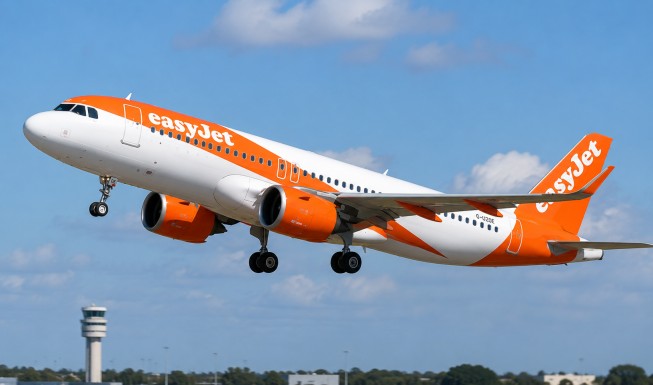
EasyJet, a budget airline, has experienced a sharp decline in pre-tax profits, with figures dropping by 70% in the quarter from April to June. This significant decrease, from £286 million to £85 million, has been largely attributed to rising fuel costs and shifting patterns in customer bookings. The increase in fuel expenses, which climbed by £105 million, is linked to higher energy prices resulting from ongoing tensions in the Middle East.
The airline has noted a trend where customers are booking flights much closer to their departure dates. Despite this, there has been an uptick in booking demand as the peak summer travel season approaches. EasyJet has indicated that its financial outlook for the remainder of the year will be heavily influenced by future booking behaviors and the fluctuating costs of fuel.
In addition to its financial challenges, easyJet is currently the focus of takeover interest from two American investment firms. The airline’s board has given its recommendation to a £5.7 billion offer from Apollo Global Management, preferring it over an earlier bid from Castlelake. However, the acquisition process is expected to face hurdles, particularly concerning potential scrutiny from the European Union regarding foreign ownership regulations for airlines.
Despite reporting weaker earnings, easyJet’s stock saw an increase in early trading sessions. Investors appear to remain optimistic about the airline’s long-term growth potential and are closely watching the developments surrounding the proposed takeover bid.